Figurative Art exhibit continues in Sausalito until Feb 8

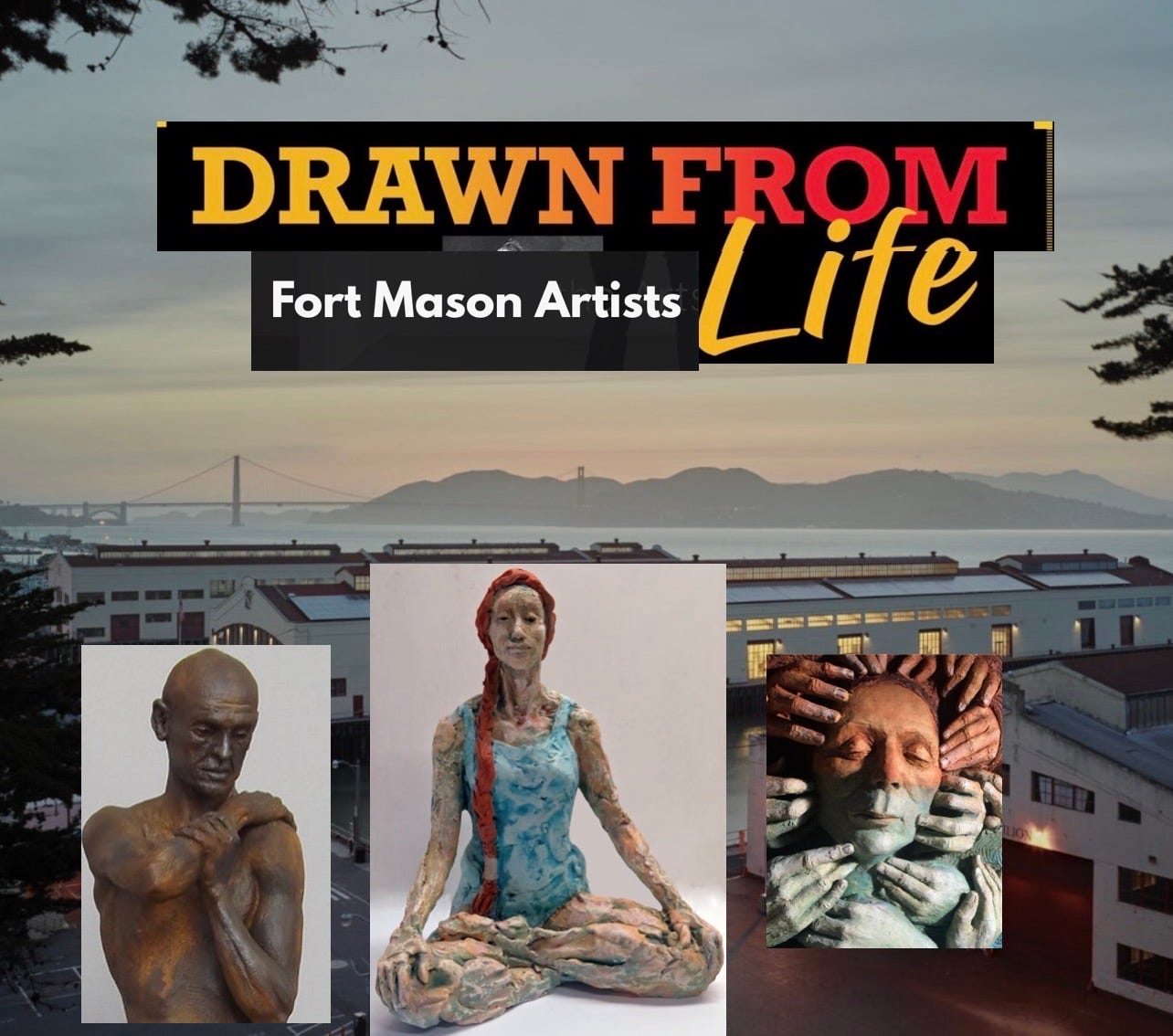
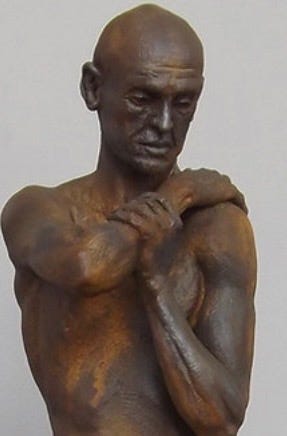
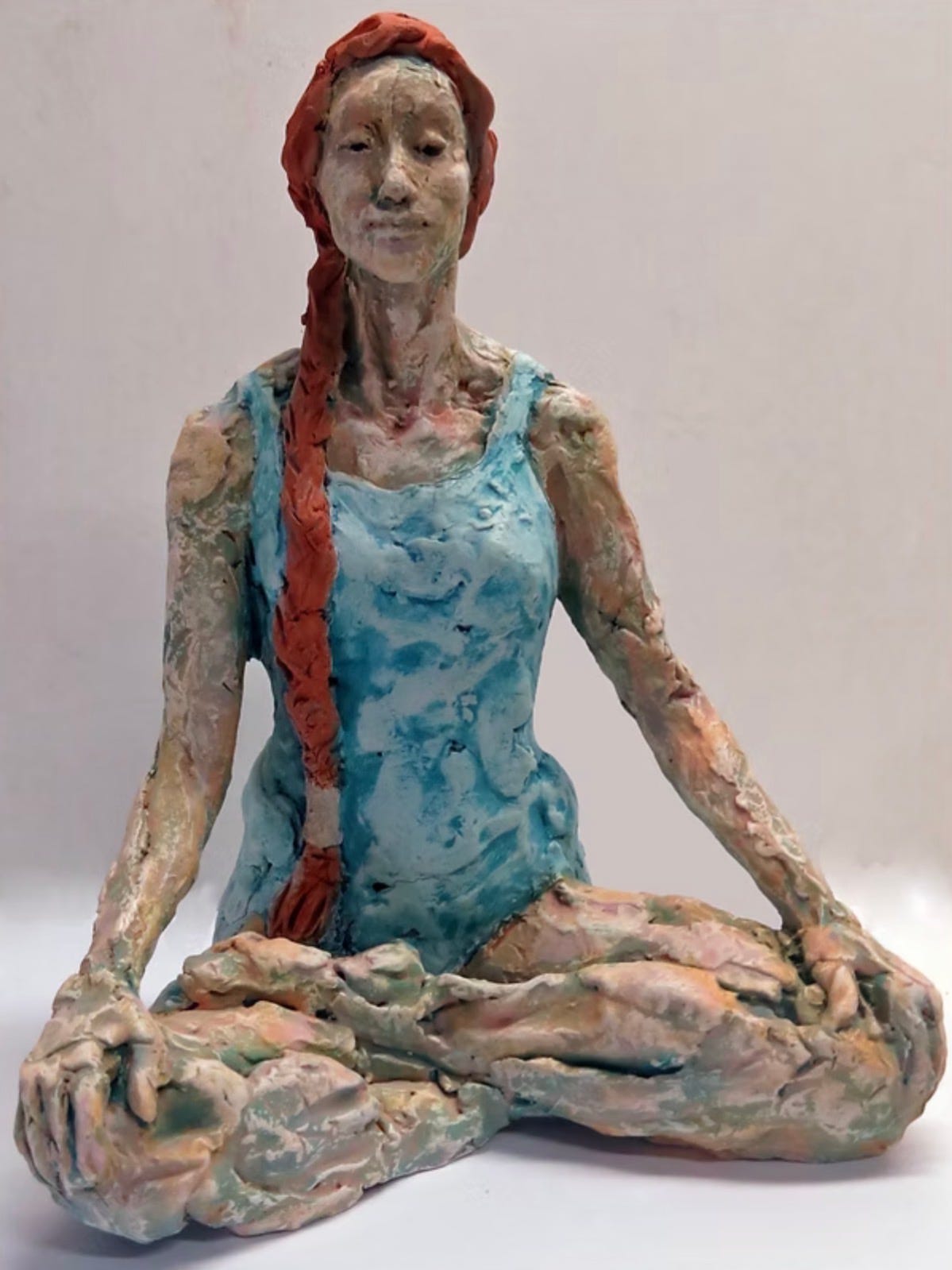
As the Sausalito Center for the Arts celebrates the Figurative Art Movement with its current exhibit ‘Drawn from Life: The Bay Area Figurative Movement Continues’, among the sculptors exhibited are the Fort Mason Artists teachers and board members, Konrad Dunton, Sandy Frank, and Tebby George.
“They were and still are very much a key element of the Figurative Art Community here in the Bay Area,” said sculptor Catherine Merrill.
Merrill serves as the exhibit’s curator (along with Susan R. Kirshenbaum) and is also a ‘Drawn from Life’ exhibit participant.
When some people look back upon the 1970s, it’s usually about the impact of the Vietnam War which the United States got entangled in through its allies as well as its anti-communism foreign policy at the time.
An undeclared war, the decade-long conflict spurred the Peace Movement and disenchanted the optimism of American political life.
While some historians cite the 1970s as a time of lackluster style and an apathetic cultural experience, the 1970s were a significant time for the arts.
The post-WWII economic boom saw unprecedented growth. Yet as the pinnacle of that began to dissipate, significant shifts were occurring in the 1970s.
Inflation, an oil embargo, and the Watergate scandal had a ripple effect.
Factory facilities, military bases and old buildings were underutilized if not vacant. This provided an opportunity for the arts to flourish unexpectedly.
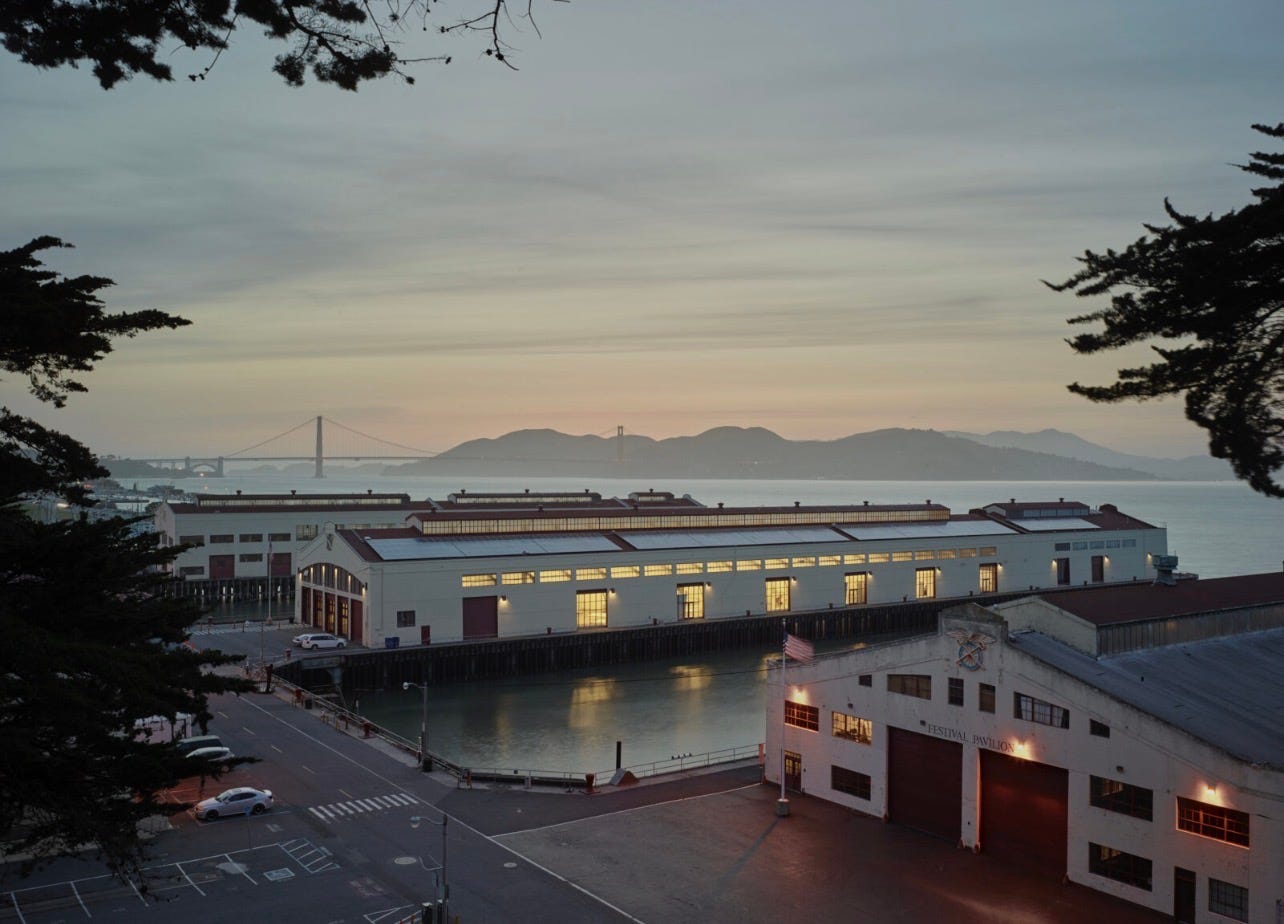
An example of this was the former military complex in San Francisco’s Marina District called Fort Mason.
After more than 100 years, serving as a command center in various ways during World War I and WW II, Fort Mason with its large buildings, docks and ports was ideal for the flourishing of creativity that was thriving in the San Francisco area at that time.
Called simply Fort Mason Art Center, it operated as a lean yet vibrant hub for cultural activities and especially art education. “Elio Benvenuto's leadership was crucial,” said Konrad Dunton.
Dunton among the sculptors exhibited at SCA, is Board President of the Fort Mason Artists nonprofit school.
Dunton explained the history. “Elio immigrated to the United States after WWII.”
“He saw potential in the buildings that by that time were mostly empty and neglected,” said Dunton.
“Elio was an internationally recognized artist and a skilled teacher, said Dunton, a beloved mentor and cultural leader.”
"Elio was instrumental in establishing the San Francisco arts infrastructure we enjoyed at the Fort Mason Art Center” said Dunton.
“It was Elio who founded the San Francisco Arts Commission Gallery, and who was instrumental in establishing the Fort Mason Art Center” said Dunton.
As the facilities at Fort Mason were gradually refurbished, art and cultural activities began to anchor themselves there.
For example, the Dickens Christmas Fair operated from Fort Mason for a number of years before moving to where it is hosted now at The Cow Palace.
“The large and varied buildings, as well as being situated along the water, yet still in San Francisco lent themselves to art of all kinds,” said Dunton.
Once San Francisco City College (CCSF) got involved courses in ceramics, printmaking, stained glass, textiles, and business in art attracted a wide range of students.
Tebby George a member of the Fort Mason Artists school. Her work is also exhibited at SCA. She remembers those days.
“It was a community there at Fort Mason,” she said. George verified that long before City College, got officially involved, “like around 1969, ‘70” there was artistic activity going on.
“That was back in the days when Elio was coordinating the efforts to have Fort Mason utilized for art and culture activities,” said George.
The renovating of an old facility such as Fort Mason wasn’t isolated. Other older facilities like The Cannery and Ghirardelli Square (once old factories and warehouses) were also being refurbished.
The enthusiasm of such wasn’t just in San Francisco, examples of this also occurred in Sausalito with Village Fair and Napa Valley with the opening of Vintage 1870.
“I remember that artists back in the early 1970s flocked to Fort Mason,” she said.
Jewelry making, weaving, pottery and the emergence of macramé among many other crafts and art objects, were among the things that artists were doing in and around San Francisco.
The Ecology movement, ‘back to the land’ movement as well as the Peace Movement all coincided with the art scene which culminated in San Francisco and around the Bay Area. “But especially, at Fort Mason,” she said.
George was privileged to be a part of something first as a student, then later as an artist and teacher.
Efforts were made in 1975 to bring something of an accredited school into the faculty. Yet as she recalled; “It was in the 1980s when City College of SF made a satellite campus at Fort Mason,” said George.
“Credit classes, continuing education courses, and older adult education classes;” mentioned George, “this was a time when a lot was flourishing and the sense of community at various levels was happening.”
The availability of space, plenty of parking and it’s proximity to transit made Fort Mason a hub. “It was a place where everyone could go to,” said Dunton.
Fellow ‘Drawn from Life’ exhibitor Sandy Frank agreed as she said. “It was fun, because everyone that was there was there mostly just to do art.”
Frank who initially began as a student in George’s class, back in 2001, eventually became an instructor at Fort Mason Artists herself.
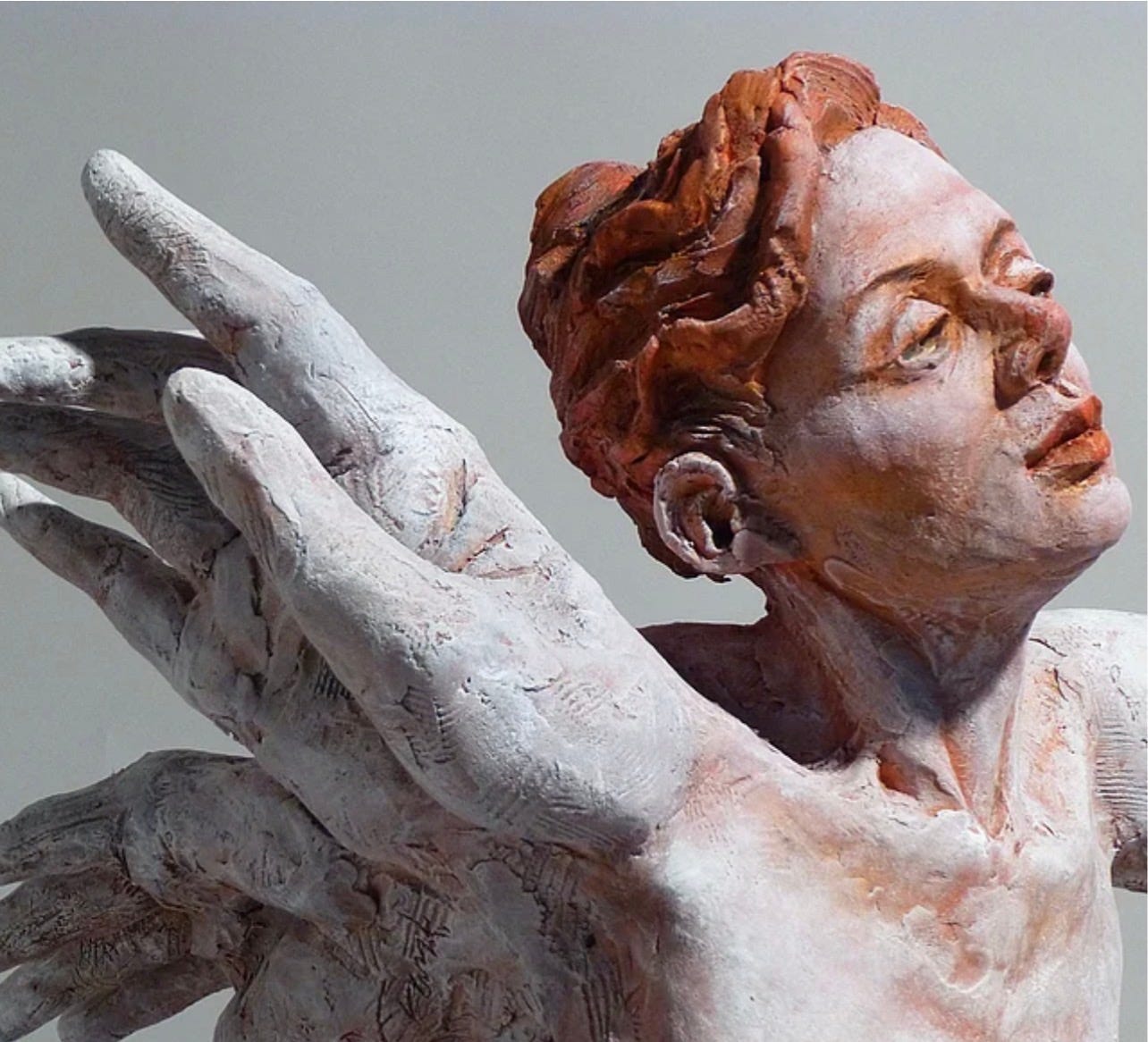
Dunton, Frank and George are unanimous when they recollect how the art scene at Fort Mason Center for Arts & Culture was very special.
For 30 years, the community college collaboration with Fort Mason Center was a success.
But as the Dot Com boom hit the San Francisco area, things began to change.
Not that the Dot Com boom impacted Fort Mason directly, it was the way the City was changing. Real estate values went up all over the SF Bay Area.
And as City College of San Francisco faced budget deficits with more than 11 satellite campus locations, eventually difficult decisions were made.
The onset of COVID-19 was the catalyst for CCSF officials.
“It broke my heart,” said George. “Everyone turned out to try and save it and keep the collaboration with CCSF going.”
Yet with a lease agreement costing $408,000, annually, CCSF Board Member, Ivy Lee told the SF Examiner back in May of 2020.
“Between the choice of cutting classes and laying off teachers or maintain that location, we chose people and programs over a place,” Lee said.
Even though Dunton along with the others was very disappointed, he understood.
“Maintenance issues, retrofitting and Fort Mason Center having a new director, also played a role in CIty College’s decision,” said Dunton.
Rising costs and the need to have more upscale tenants and events to cover expenses was an inevitable outcome.
“When efforts to save the program through CCSF were exhausted, our coalition channeled its energy into building something new,” said Dunton.
A nonprofit organization was formed, called Fort Mason Artists (FMA).
“Through fundraising and community support, a new home was established, said Dunton at the MPIC Clubhouse in the Glen Park neighborhood of San Francisco.”
“And in Fall 2021, FMA began offering classes in figurative arts, he explained, rekindling the sense of joy and connection that had long defined the Fort Mason art community, which was a ‘Mecca’ for many.”
“As of now, Fort Mason Artists continues to grow and thrive,” Dunton added.
“We kept the name of Fort Mason Artists group in honor/homage of a special place and time,” said Dunton.
It definitely helped make the community what it is. “Perhaps at some point in the future we will change our name,” said Dunton. The exhibit at Sausalito Center for the Arts (SCA) continues until Feb 8. For more details visit the SCA website.